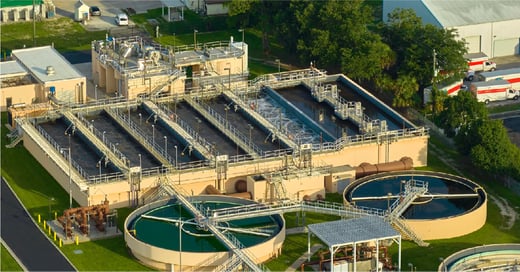
Is your industrial facility consuming more water than it should, even when your water treatment plant appears to be operating normally?
Rising water consumption, increasing operating costs and inefficient treatment systems can quietly affect industrial profitability. Many facilities continue operating without knowing where water is being lost, which equipment is underperforming or how much additional water could be recovered.
Ion Exchange helps industries address these challenges through comprehensive industrial water audit services that evaluate the complete water cycle, identify performance gaps and recommend corrective actions to improve efficiency.
A systematic water audit can help businesses reduce unnecessary consumption, optimize treatment processes and identify opportunities for sustainable water reuse.
What Is an Industrial Water Audit?
An industrial water audit is a systematic assessment of how water enters, moves through, gets treated and leaves an industrial facility.
It examines water consumption patterns, treatment plant performance, distribution systems, wastewater generation and potential reuse opportunities.
The objective is to understand whether the facility is using water efficiently and identify areas where improvements can reduce costs.
A comprehensive water audit typically evaluates:
- Freshwater intake and consumption across operations.
- Actual versus designed treatment plant performance.
- Water losses from leaks, overflow and inefficient processes.
- Energy and chemical consumption associated with water treatment.
- Wastewater generation, treatment and reuse opportunities.
- Opportunities to improve overall water management.
By understanding the complete water balance, industries can make informed decisions about improving plant efficiency.
Why are Industrial Water Audits Important?
Water is a critical resource for industries such as pharmaceuticals, chemicals, textiles, food processing, power generation and manufacturing.
However, water-related costs extend beyond purchasing or extracting freshwater.
Businesses also spend money on pumping, treatment chemicals, energy, maintenance and wastewater disposal.
When water systems operate inefficiently, these costs can increase without being immediately visible.
An industrial water audit helps identify such inefficiencies before they become larger operational problems.
1. Identify Hidden Water Losses
Not every water loss is caused by a visible pipeline leak.
Water may be lost through inefficient backwashing, excessive blowdown, overflow, poor recovery or unnecessary process consumption.
A water audit examines these losses and identifies practical measures to reduce them.
2. Reduce Water Treatment Operating Costs
Inefficient treatment systems may consume more energy, chemicals and maintenance resources than necessary.
By evaluating actual operating conditions, an audit can identify opportunities to improve performance and reduce avoidable expenses.
3. Improve Water Treatment Plant Efficiency
Treatment plants are designed to operate within specific performance parameters.
Over time, changing feedwater conditions, equipment deterioration and operational practices can affect performance.
A water audit compares actual performance with design expectations and recommends corrective actions.
4. Support Water Reuse and Sustainability
Reducing freshwater dependence is increasingly important for industries facing water scarcity and sustainability requirements.
Water audits can identify treated wastewater streams suitable for reuse after appropriate treatment and quality verification.
How Does an Industrial Water Audit Work?
An effective water audit follows a structured assessment process.
Step 1: Evaluate Existing Water Consumption
The process begins by understanding how much water the facility consumes and where it is used.
This includes reviewing water bills, flowmeter readings, operating records and consumption patterns across departments.
The objective is to establish a reliable picture of existing water use.
Step 2: Compare Designed and Actual Plant Performance
Water treatment plants may operate below their intended efficiency because of equipment limitations, changing operating conditions or inadequate maintenance.
Auditors compare design specifications with actual operating data to identify performance gaps.
This helps determine where corrective action is needed.
Step 3: Identify Water Losses and Inefficiencies
The audit examines potential sources of water loss, including:
- Leakage from pipelines and storage systems.
- Excessive filter backwashing.
- Low reverse osmosis recovery.
- Unnecessary cooling tower blowdown.
- Inefficient process of water consumption.
- Poorly managed wastewater discharge.
Identifying these losses helps facilities prioritize improvement opportunities.
Step 4: Assess Treatment Costs and Equipment Performance
Water treatment involves several recurring expenses.
These include electricity, treatment chemicals, consumables, membrane replacement and maintenance.
An industrial water audit evaluates whether these resources are being used efficiently and identifies opportunities to optimize operating expenditure.
Step 5: Recommend Corrective Actions
Once performance gaps are identified, the audit provides recommendations based on operational priorities and technical feasibility.
These may include process optimization, equipment maintenance, improved monitoring, changes in operating practices or upgrades to treatment systems.
The recommendations help facilities develop a practical improvement plan.
How Water Audits Help Reduce Industrial Water Costs?
Water savings can influence several areas of plant expenditure.
|
Area
|
Potential improvement
|
|
Freshwater consumption
|
Reduced unnecessary water intake
|
|
Treatment chemicals
|
Optimized chemical dosing
|
|
Energy consumption
|
Improved pumping and treatment efficiency
|
|
Equipment maintenance
|
Earlier identification of performance problems
|
|
Wastewater management
|
Reduced avoidable discharge and improved reuse
|
|
Plant operations
|
Better operating consistency and resource utilization
|
The actual financial benefit depends on existing plant conditions, water consumption, treatment costs and the improvements implemented.
Water Reuse: Turning Wastewater into a Valuable Resource
Industrial wastewater is often viewed primarily as a disposal challenge.
However, some treated wastewater streams can become useful sources of process or utility water when appropriate treatment technologies are applied.
A water audit helps determine where reuse may be technically and economically feasible.
Potential applications include cooling tower makeup, utility operations, washing and other non-potable uses, subject to required water quality.
By identifying suitable reuse opportunities, industries can reduce freshwater demand and improve resource efficiency.
When Should an Industry Conduct a Water Audit?
An industrial water audit is particularly useful when a facility experiences:
- Increasing water consumption without corresponding production growth.
- Rising treatment or wastewater disposal costs.
- Frequent equipment breakdowns or operational interruptions.
- Lower-than-expected water recovery.
- Changes in process requirements or production capacity.
- Pressure to improve sustainability and water efficiency.
Periodic audits can also help facilities track performance and identify opportunities for continuous improvement.
Ion Exchange Industrial Water Audit Services
Ion Exchange provides comprehensive water audit services designed to help industries understand and improve their water management performance.
Its expert assessments evaluate the complete industrial water cycle, from freshwater intake and treatment to consumption, wastewater management and reuse.
Ion Exchange's water audit approach focuses on four key areas:
- Performance Gap Analysis: Evaluate differences between designed and actual plant performance and identify corrective actions.
- Water Loss Identification: Detects inefficient consumption patterns and opportunities to reduce unnecessary water use.
- Operating Cost Optimization: Identify opportunities to reduce treatment inefficiencies, downtime and operational expenses.
- Water Reuse Opportunities: Assess opportunities to recover and reuse treated water, supporting long-term resource efficiency.
By combining technical evaluation with practical improvement recommendations, Ion Exchange helps industries make better decisions about water treatment and resource management.
Conclusion: Improve Water Efficiency Before Costs Increase Further
Industrial water efficiency begins with understanding where water is consumed, where it is lost and how treatment systems are performing.
A comprehensive industrial water audit helps facilities identify hidden inefficiencies, improve plant performance and reduce avoidable operating expenses.
With Ion Exchange's expert water audit services, businesses can evaluate their existing systems and develop a practical roadmap for improved water management.
Is your water treatment plant operating at its designed efficiency?
Discover how an industrial water audit can uncover opportunities to reduce water costs and improve long-term plant performance.